Is Sustainable Construction More Expensive?
One of the most frequent concerns raised during project discussions is straightforward:
“Will sustainable construction increase the cost?”
It is a valid question. Many people associate sustainability with expensive technologies, imported materials, or premium certifications. However, in practical terms, the reality is far more balanced and often misunderstood.
Let us examine this from a professional perspective.
Understanding the Perception
When clients hear the term “green building,” they often imagine:
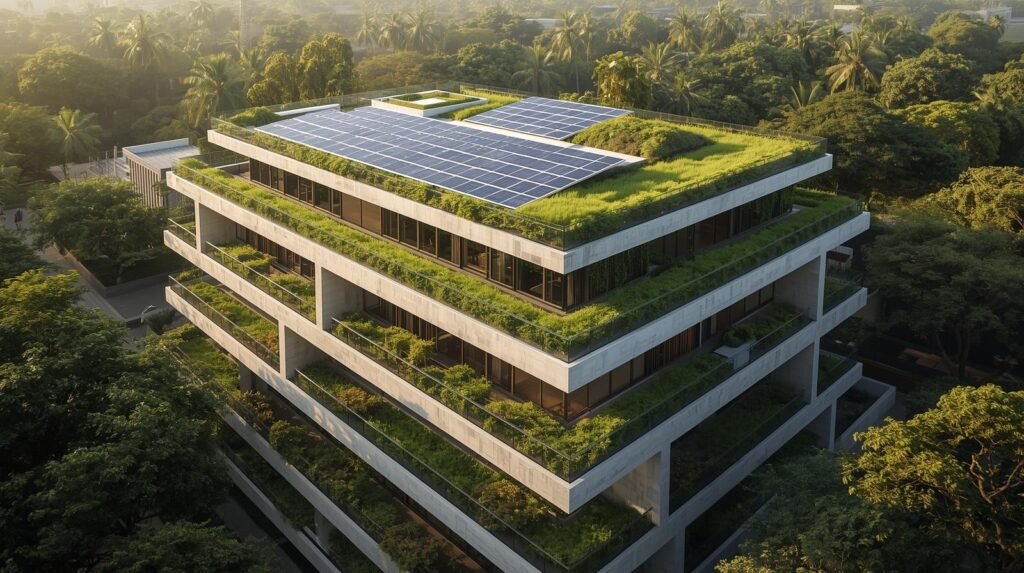
- Solar panels covering the roof
- Advanced automation systems
- High-cost façade materials
- Complex environmental certifications
While these elements can be part of sustainable construction, they are not its foundation.
Sustainability begins with intelligent design decisions — and good design does not necessarily mean higher cost.
Design Decisions That Cost Little but Deliver More
Many sustainable strategies are planning-based rather than product-based. For example:
- Proper building orientation to reduce heat gain
- Cross-ventilation planning
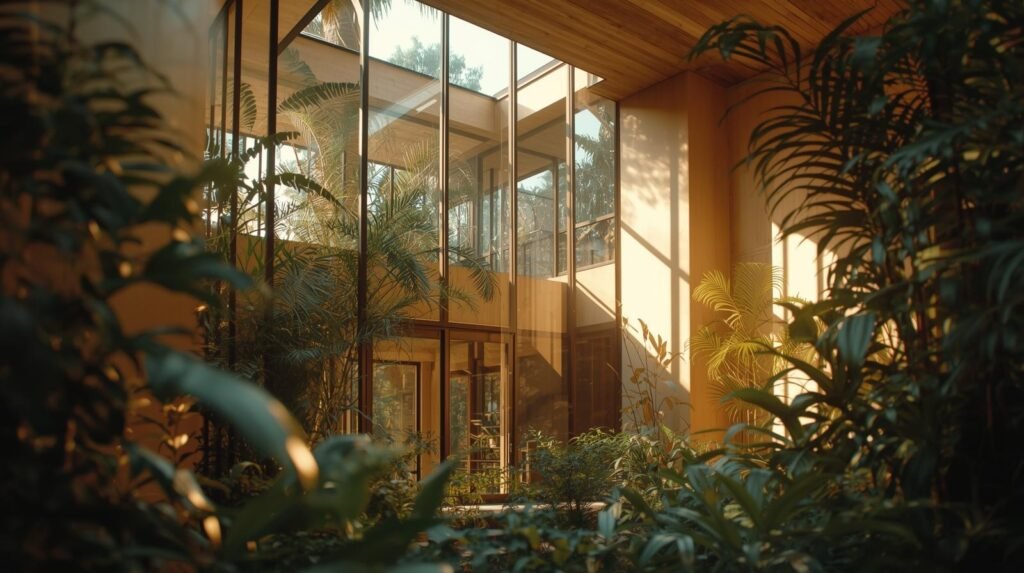
- Optimized window placement for natural daylight
- Shading devices and overhangs
- Efficient spatial planning to minimize material waste
When these considerations are integrated at the conceptual stage, they often add little to no additional cost, yet significantly improve long-term performance.
Initial Cost vs Lifecycle Value
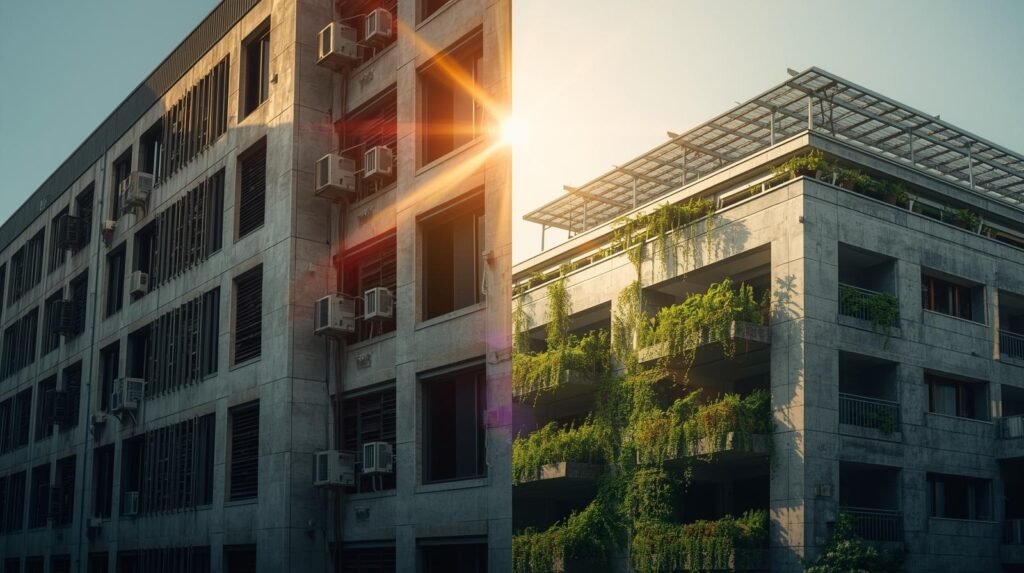
Traditional construction often focuses only on initial expenditure. Sustainable construction, however, considers lifecycle cost.
A building designed without climate responsiveness may require:
- Higher air-conditioning usage
- Increased electricity consumption
- Frequent maintenance cycles
- Premature material deterioration
In contrast, a well-planned sustainable building typically results in:
- Lower energy bills
- Reduced maintenance
- Longer structural and material lifespan
- Improved indoor comfort
The relevant question is not:
“How much more does it cost today?”
But rather:
“How much will it save over the next 20–30 years?”
Where Costs May Increase – And Why It’s Justified
It is true that certain sustainable components may involve additional initial investment, such as:
- Solar energy systems
- High-performance glazing
- Rainwater harvesting infrastructure
- Energy-efficient HVAC systems
However, these are performance-based investments. Over time, they reduce recurring operational costs and enhance asset value.
When evaluated across the building’s lifespan, the return on investment often justifies the upfront expense.
The Importance of Early Integration
In my experience, sustainability becomes expensive only when it is treated as an afterthought.
If green elements are introduced after structural planning or during late-stage execution, modifications become necessary leading to increased cost.
However, when sustainability is embedded from the beginning:
- Structural planning supports efficiency
- Services are coordinated intelligently
- Material choices are optimized
- Rework and waste are minimized
The outcome is balanced and controlled not inflated.
A Practical and Responsible Approach
Sustainability does not require extravagance. It requires awareness.
It means:
- Designing according to climate
- Using resources responsibly
- Selecting durable materials
- Ensuring energy efficiency
- Planning for long-term performance
These are professional responsibilities rather than luxury upgrades.
Conclusion
Sustainable construction is not inherently expensive.
Poor planning is.
When approached strategically, sustainability enhances long-term financial efficiency, structural durability, and user comfort.
In today’s environment, responsible building is no longer optional. it is an essential component of thoughtful architecture.
The true value of a building lies not only in how it looks on completion day, but in how it performs for decades to come.
By Dr. P. C. Lal
Principal Architect & Founder, Design Shelter