The Future is Responsible: Why Green & Sustainable Construction Matters
Construction has always been about shaping the future. But today, the future asks more of us. It asks for responsibility.
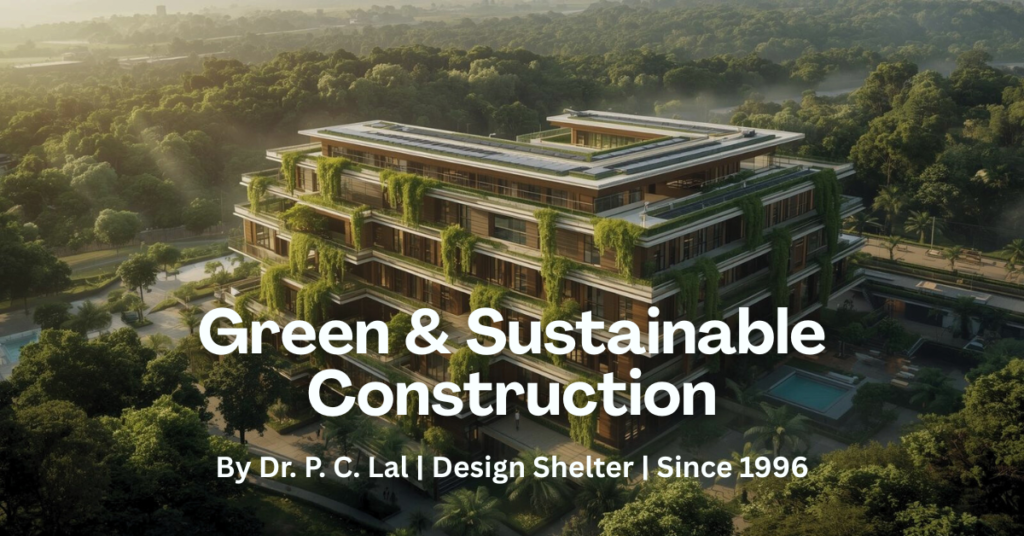
Green and sustainable construction is not just a trend or a marketing phrase it is a shift in mindset. It is about designing and building spaces that respect the environment, conserve resources, and serve people in healthier ways.
As architects and builders, we do not just create structures. We create environments that influence lives for decades. That responsibility cannot be taken lightly.
What is Green and Sustainable Construction?
Sustainable construction means planning, designing, and executing buildings in a way that minimizes environmental impact while maximizing efficiency and longevity.
It considers:
- Energy consumption
- Water conservation
- Material selection
- Waste reduction
- Indoor environmental quality
- Long-term operational efficiency
It is not about making buildings expensive. It is about making them intelligent.
Why Sustainability is No Longer Optional
The built environment contributes significantly to global energy use and carbon emissions. As professionals in this industry, we are in a position to influence change.
Sustainable construction offers:
Lower Operational Costs
Energy-efficient systems, natural lighting strategies, and thermal performance planning reduce long-term electricity and maintenance costs.
Healthier Living & Working Spaces
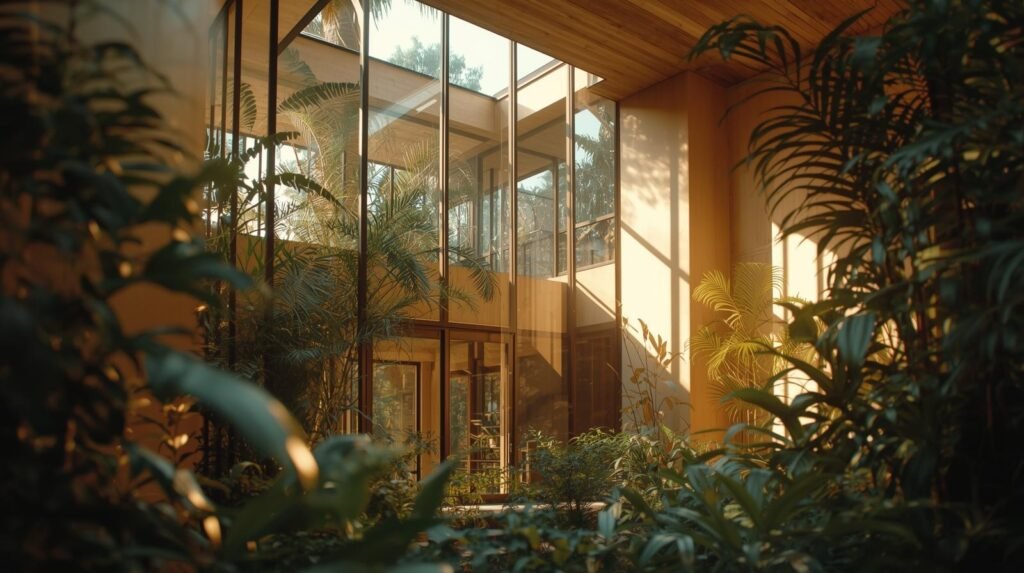
Natural ventilation, non-toxic materials, and better daylight access improve indoor air quality and overall well-being.
Long-Term Durability
Well-planned buildings with sustainable materials often require less repair and maintenance over time.
Increased Property Value
Environmentally conscious buildings are increasingly preferred by buyers and investors.
Practical Sustainable Strategies in Modern Construction
Sustainability does not require dramatic gestures. Often, it begins with thoughtful decisions:
- Optimizing building orientation for natural light and ventilation
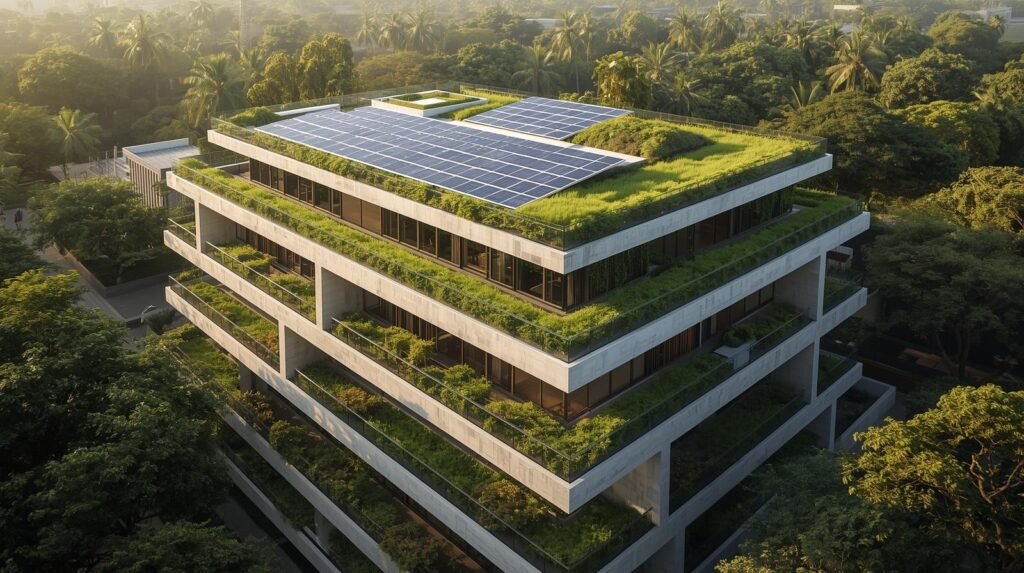
- Integrating solar energy systems
- Using locally sourced materials
- Implementing rainwater harvesting
- Designing efficient plumbing and electrical systems
- Reducing construction waste through careful planning
Even small changes at the design stage can create significant long-term impact.
The Role of Design & Planning
Sustainability starts long before construction begins.
It begins at the drawing board.
Site analysis, climate response, material research, and energy modeling all contribute to a building’s environmental performance. When design and execution are coordinated properly, sustainable goals become achievable rather than theoretical.
Moving Forward
Green construction is not about perfection. It is about progress.
Each project presents an opportunity to build smarter, waste less, and create spaces that are both functional and responsible.
The future of construction will not be defined only by height, scale, or aesthetics but by awareness.
And awareness begins with intention.